
Tsuriai Kendo Panamá

Kendo剣道

Forge your spirit through the ancestral discipline of Kendo.
Where Japanese tradition meets the inner warrior.

Scroll
君へ

Is Kendo for You?

Kendo as part of life, not as competition

"Kendo is not an end in itself, but a means to cultivate the spirit, develop discipline and find balance in daily life."

All Ages

From 7 years old and up. Children, youth, adults and seniors practice together, learning from each other.

Flexible Attendance

We understand life has multiple responsibilities. Practice adapts to your context, not the other way around.

No Pressure

It doesn't matter if you can't attend every week. What matters is staying on the path, at your own pace.

Part of Your Life

Kendo integrates as an enriching complement, not an obligation that consumes your time.

Tsuriai Kendo Panamá is ideal for you if:

  • You seek a practice that develops body and mind
  • You value discipline but need flexibility
  • You want to belong to a respectful community
  • You're interested in Japanese culture and its values
  • You want to experience Kendo as a hobby and life complement
  • You want to have a good time and enjoy your training
皆様へ

Kendo For You

Kendo as a comprehensive training tool for all stages of life

Kendo as training for your children

Discipline and Respect

Kendo teaches fundamental values: respect for elders, peers and oneself. Dojo etiquette transfers to daily life.

Physical Development

Improves coordination, reflexes, cardiovascular endurance and strength. A complete workout in a controlled, safe environment.

Concentration

Practice requires full attention. Children learn to focus, which reflects in better academic performance.

Community

A family environment where parents are welcome to observe classes. Events and activities that strengthen bonds.

Note for parents: Parents may observe classes at any time. We organize family events and keep you informed of your children's progress.

Kendo in adult life

It's Never Too Late

Many kendokas started after 30, 40 or even 50 years old. Kendo adapts to your physical condition and progresses with you.

Stress Management

Kendo practice is an ideal escape valve. The required concentration disconnects you from work and daily stress.

Complete Exercise

Works cardiovascular, coordination, reflexes and strength. A complete training that keeps body and mind active.

Networking

The dojo is a community of diverse professionals. Relationships forged on the tatami transcend practice.

For professionals: We offer schedules compatible with work hours. Regular practice, even once a week, generates significant benefits.

Women in Kendo

Tradition of Equality

In Kendo, women and men train together under the same rules. Your gender doesn't determine your limit — your dedication does.

Empowerment

Kendo develops confidence, presence and the ability to make decisions under pressure. Skills that transcend the dojo.

Supportive Community

You'll find other women practitioners with whom to share the path. A support network that understands your challenges.

Flexibility

We understand the multiple responsibilities you face. Practice adapts to your life, not the other way around.

Fact: Women in Kendo compete at the highest world level. Japan, Korea and other countries have elite competitors who inspire new generations.

Our Practice at the Dojo

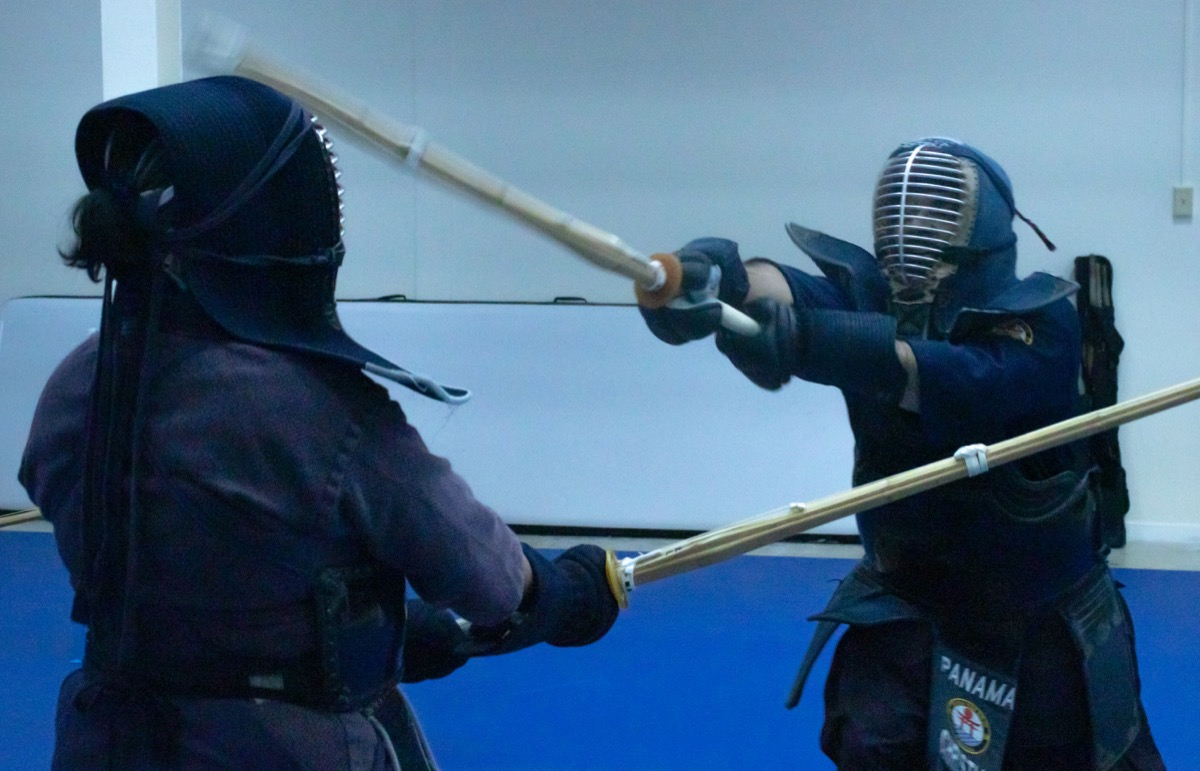
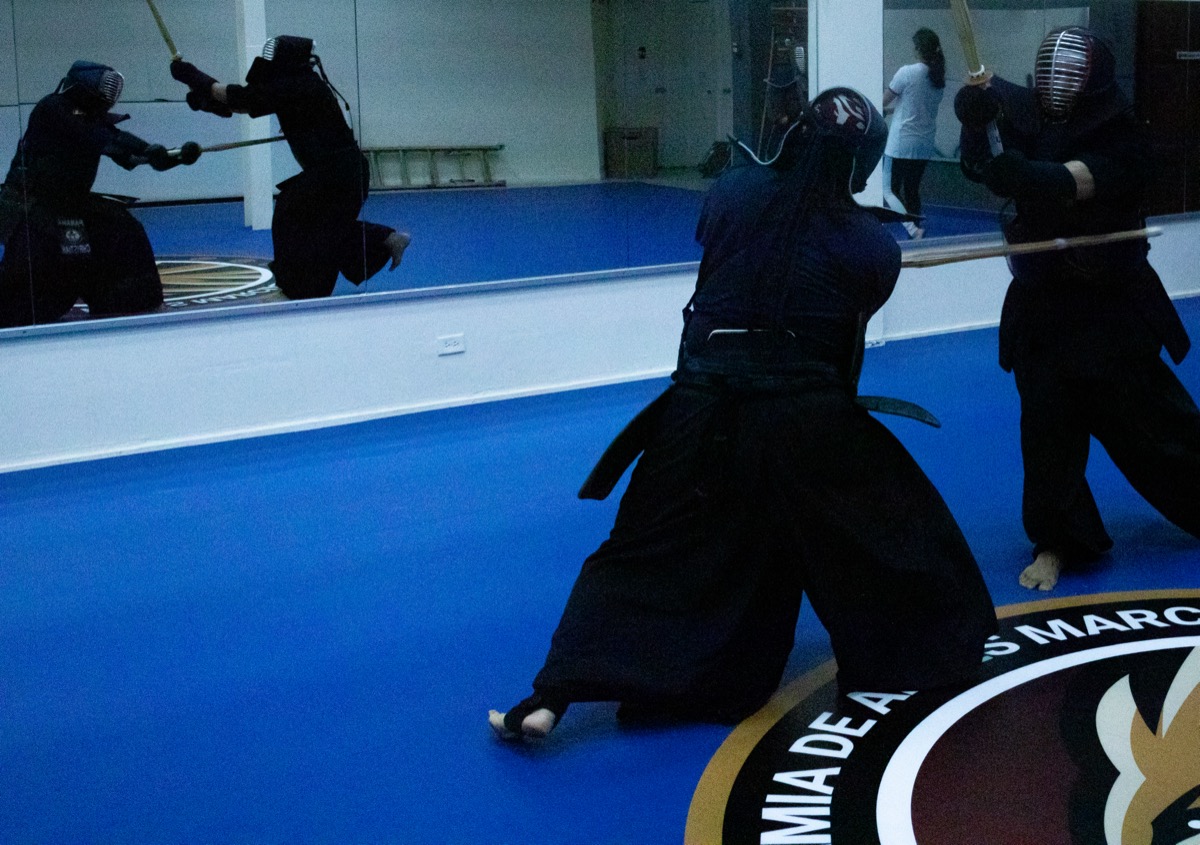
Combat with full bogu
Jigeiko: where technique is tested in free combat
Kote strike in action
The speed and precision of kendo in an instant
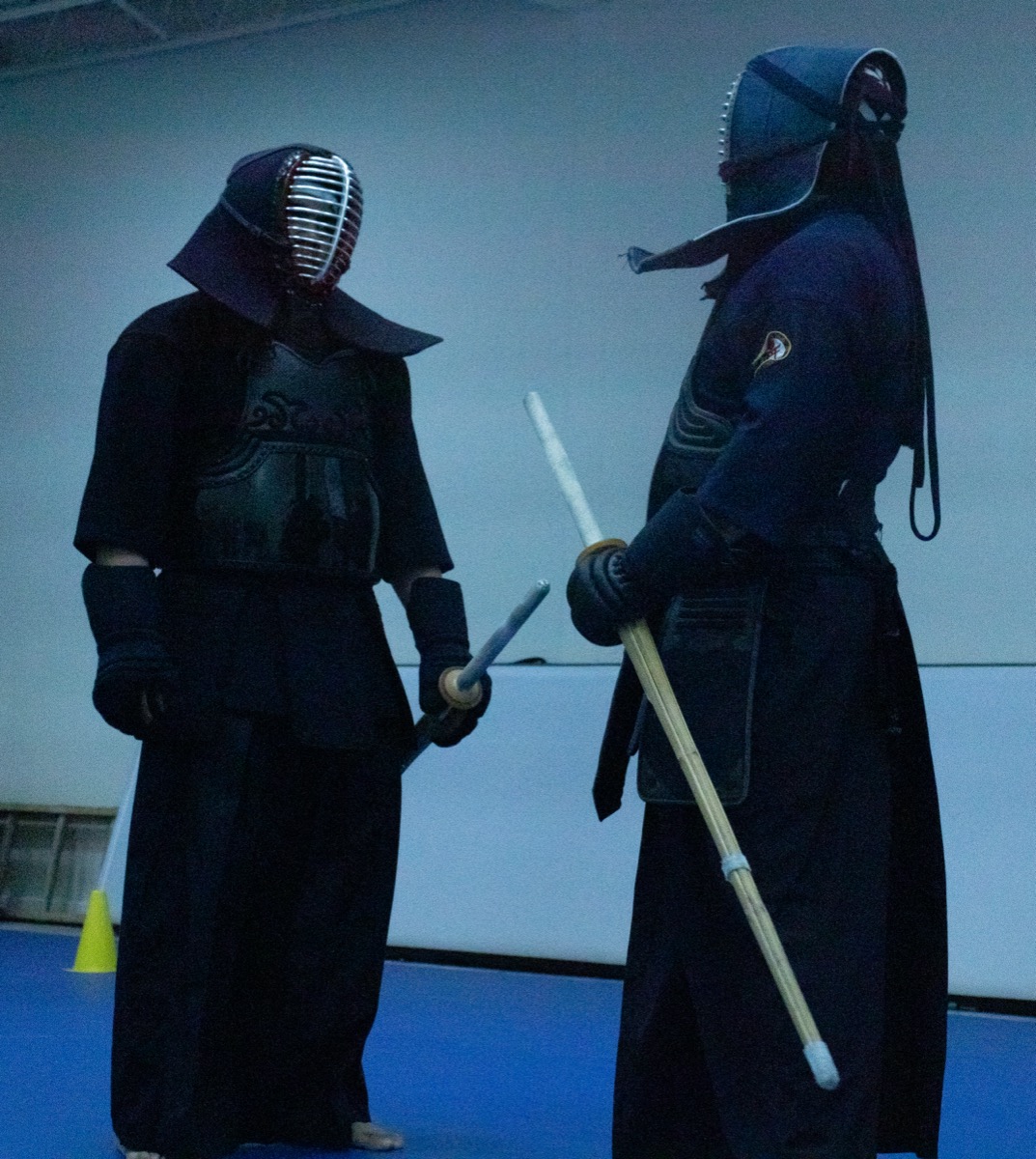
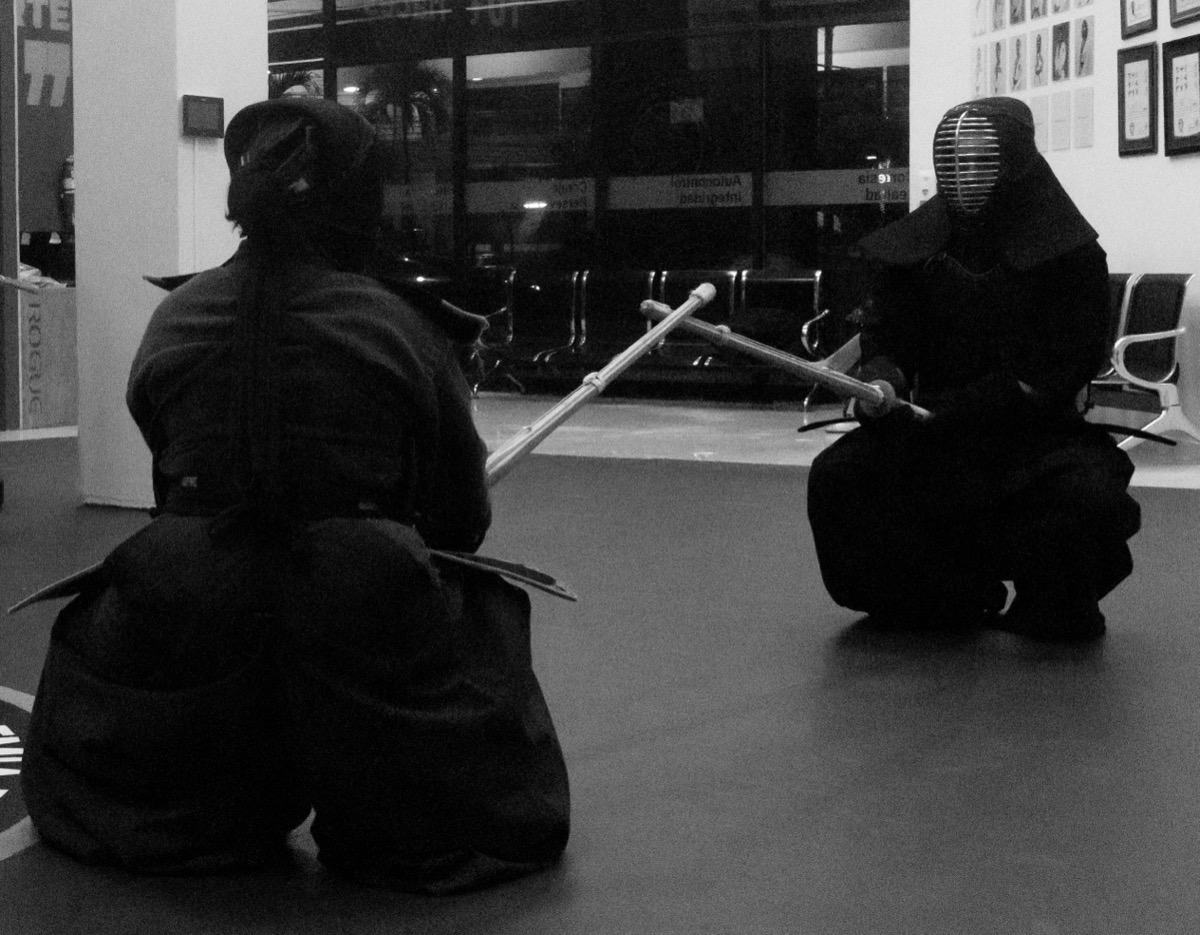
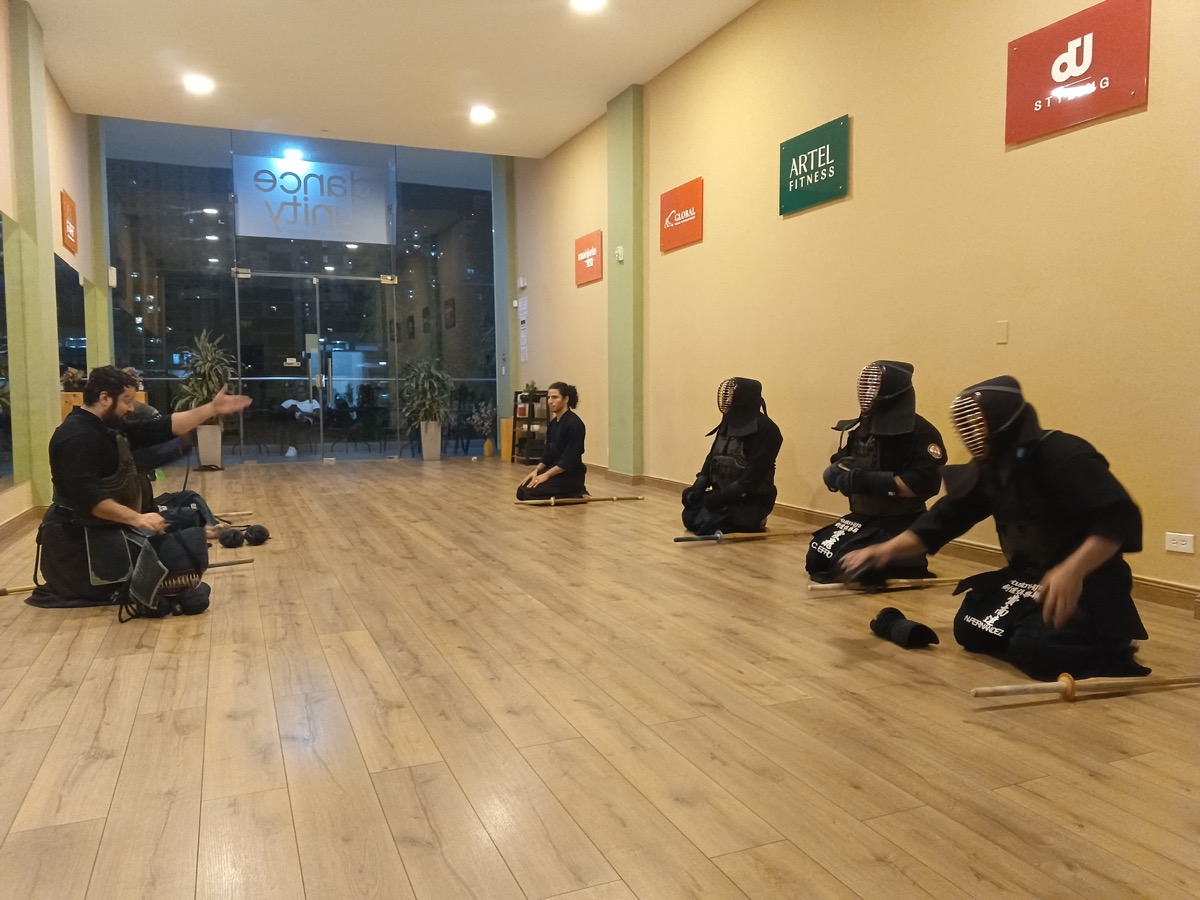
Kendokas in seiza preparing
The moment of concentration before each encounter
Group practice in the dojo
Multiple simultaneous matches during intensive practice
Sensei teaching the class
The transmission of knowledge from master to student
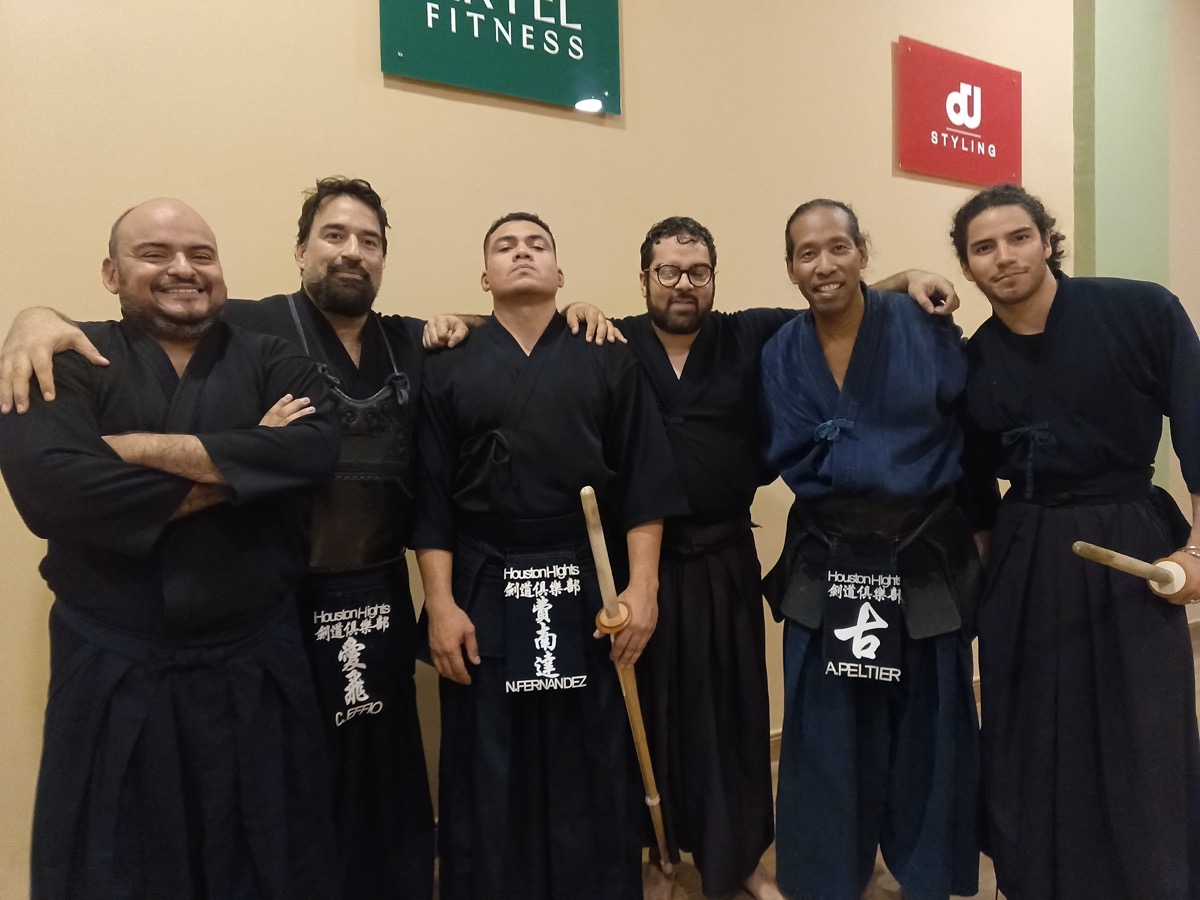
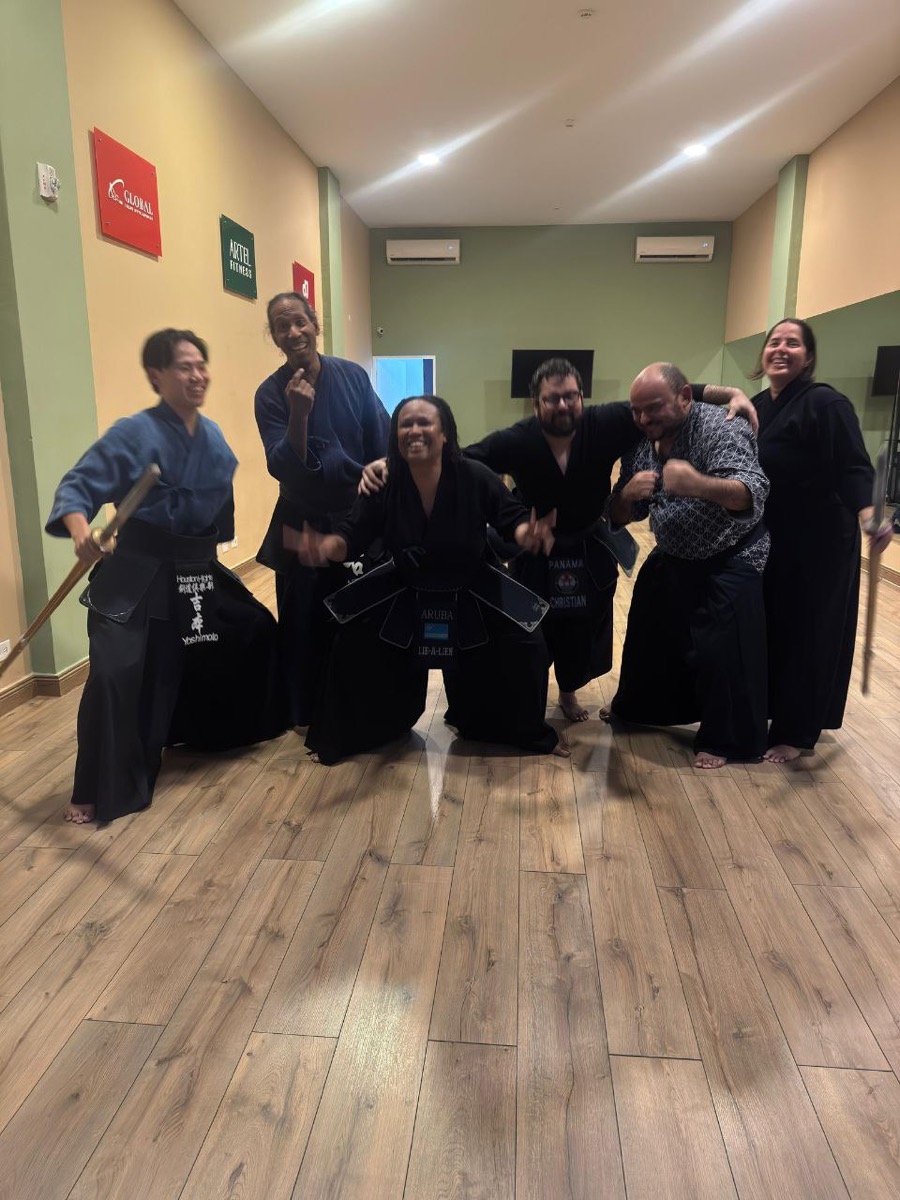
Formal group with uniforms
The pride of wearing our names on the tare
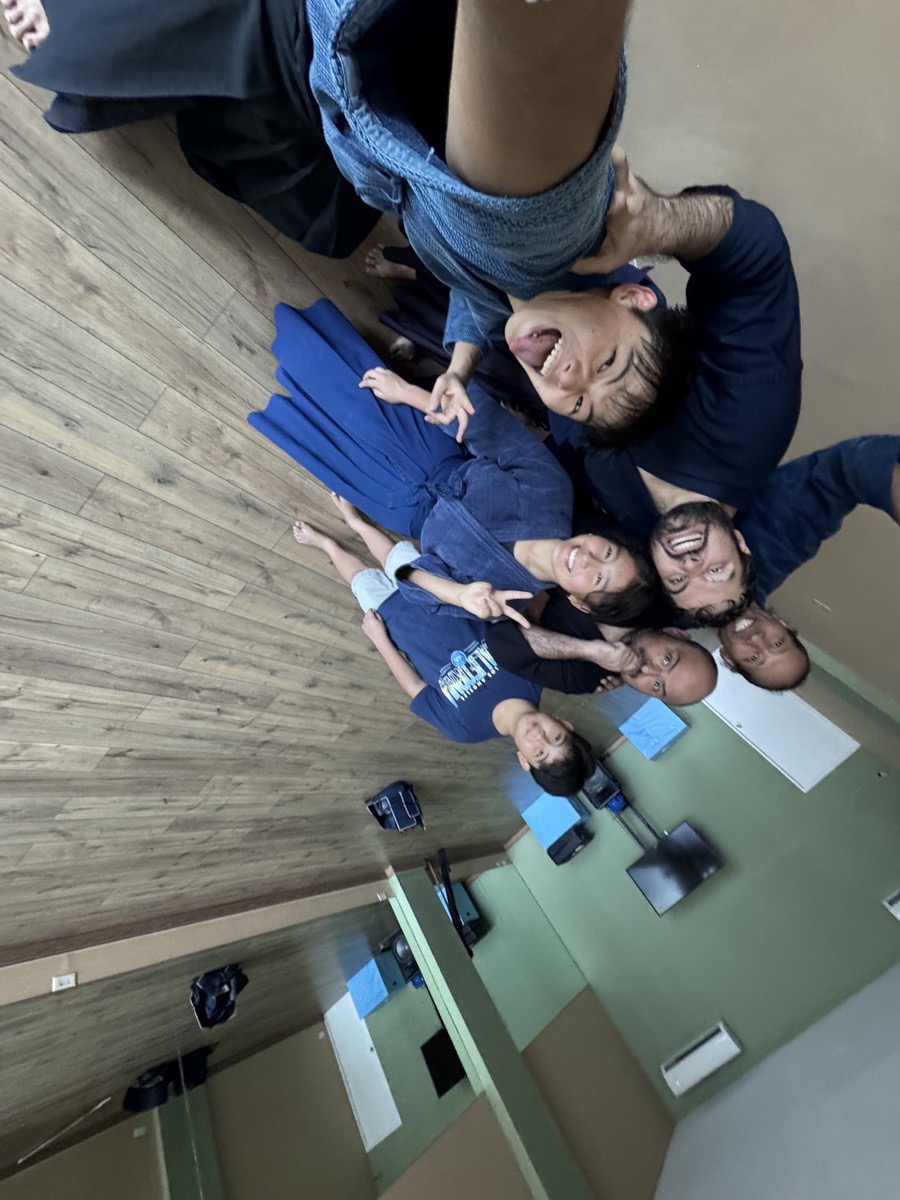
Group smiling after practice
The joy and camaraderie we share outside of keiko
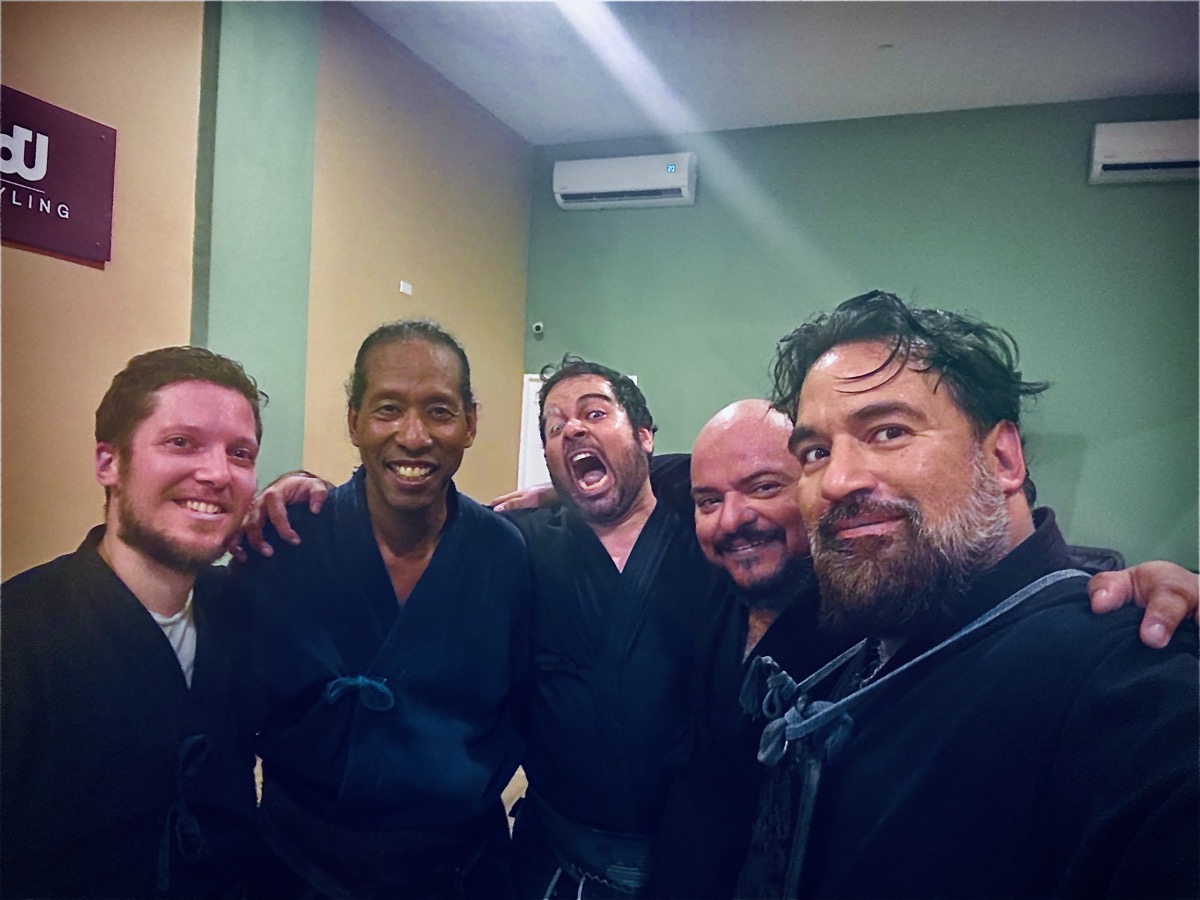
Group in fun poses
Kendo is also fun and friendship
Group of young practitioners smiling
Youth and enthusiasm: the new generation of Panamanian kendo
初めて

Your First Practice

What to expect on your first visit to the dojo

1

Arrival and Welcome

Arrive 15 minutes early. We will welcome you, explain basic dojo etiquette and introduce you to the group.

Icono: Preparation
2

Preparation

Comfortable athletic clothing is sufficient, and the art is practiced barefoot. We will lend you what you need.

3

Warm-up

You will participate in stretching and conditioning exercises that prepare the body for practice.

4

Fundamentals

You will learn the basic stance (kamae), how to hold the shinai and the first cutting movements.

5

Guided Practice

Under sensei supervision, you will practice basic movements along with other beginners.

6

Closing and Reflection

Practice ends with brief meditation and formal bowing. You will have time for questions.

Ready to begin your path?

Schedule Your First Class
Our Training

What Do We Train at the Dojo?

The four pillars of Kendo practice

Kihon — Fundamental technique

Kihon (基本) means "fundamentals". It is the foundation of all Kendo training. Without solid fundamental technique, progress is impossible. Every practice begins and ends with kihon because mastery lies in perfecting the basics.

Importancia: Kihon develops correct posture, shinai grip, footwork and basic cuts. A kendoka with good kihon can adapt to any combat situation.
  • Kamae (構え) - Posture and guard
  • Suburi (素振り) - Air cuts to develop form
  • Ashi-sabaki (足捌き) - Footwork and movement
  • Men, Kote, Do, Tsuki - The four fundamental targets

Kata — Traditional forms

Kata (形) are preset sequences of movements practiced with bokuto (wooden sword). They represent the technical and philosophical essence of Kendo, transmitted unchanged through generations. They are mandatory for Dan gradings.

Importancia: Kata teach timing, distance (maai), reading the opponent and the connection between technique and spirit. Practicing kata is dialoguing with centuries of Japanese martial tradition.
  • Nihon Kendo no Kata - 10 official forms (7 with tachi, 3 with kodachi)
  • Kihon Bokuto Waza - 9 basic techniques with bokuto
  • Maai (間合い) - Combat distance
  • Zanshin (残心) - Continuous alertness after the cut

Shiai — Applied combat

Shiai (試合) is competitive combat where everything learned is applied. It is not just about winning, but demonstrating correct kendo: clean technique, strong spirit and respectful attitude. True shiai is a conversation between two spirits.

Importancia: Combat reveals the practitioner's weaknesses and strengths. It teaches how to remain calm under pressure, read the opponent's intentions and act with determination at the right moment.
  • Ji-geiko (地稽古) - Free combat practice
  • Kakari-geiko (掛かり稽古) - Continuous attack to develop spirit
  • Ippon (一本) - The perfect cut that scores a point
  • Ki-ken-tai-ichi (気剣体一) - Union of spirit, sword and body

Reigi — Etiquette and attitude

Reigi (礼儀) is the etiquette and respect that permeate every aspect of Kendo. "Kendo begins and ends with rei (礼)". Without reigi, Kendo is reduced to violence with sticks. With reigi, it elevates to a path of human development.

Importancia: Etiquette is not empty formality but an expression of respect: towards the ancestors who developed the art, towards the instructors who transmit it, towards the companions who help us improve, and towards ourselves.
  • Rei (礼) - The bow as an expression of gratitude
  • Seiza (正座) - Formal meditation posture
  • Mokuso (黙想) - Silent meditation
  • Sonkyo (蹲踞) - Mutual respect salute before combat
稽古

Practice Schedule

Keiko - The training that forges the spirit

先生

Our Instructors

Education professionals committed to your development

Andre Peltier, Ph.D
3rd Dan 15 years of practice

Andre Peltier, Ph.D

Professor - Florida State UniversityIB CertifiedSTEAM Specialist

Doctor of Education and university professor with extensive experience in curriculum development, educational program management, and structured teaching methodologies. Kendo training under Koyama Masayuki Sensei (Okayama, Japan). Integrates modern pedagogy with traditional Japanese discipline.

Christian Acevedo
1st Kyu 17 years of practice

Christian Acevedo

20+ years as educatorPhysics Olympiad CoachUniversity Professor

Electromechanical Engineer (UTP) with over 20 years of teaching experience in physics, mathematics, and programming. Professor at schools like Javier, Panamerican School, and ADEN University. Physics Olympiad coach with gold medal winners. Kendo training under Sensei Hagino Nakamura (Tokyo, Japan).

心技体

Shin · Gi · Tai

Spirit, Technique and Body: the three pillars of Kendo

Shin

Spirit · Mind

The development of character and proper attitude. A serene mind undisturbed by adversity.

Gi

Technique · Skill

Mastery of fundamental and advanced techniques. Precision born from thousands of mindful repetitions.

Tai

Body · Physical

Physical conditioning and proper posture. A strong and flexible body in service of the spirit.

"The purpose of Kendo is to discipline the human character through the application of the principles of the sword."

— All Japan Kendo Federation
連盟

Institutional Framework

Our international community

Tsuriai Kendo Panamá operates under the technical guidelines of the All Japan Kendo Federation (AJKF) and the International Kendo Federation (FIK).

Our recognition by Houston Heights Kendo Club, under the direction of Koyama Masayuki Sensei (Okayama, Japan), guarantees consistent technical training and access to official grading examinations.

Recognition Houston Heights Kendo Club
Technical Standard FIK / AJKF Regulations
Examinations Official Kyu / Dan System
Reference Sensei Koyama Masayuki Sensei

All United States Kendo Federation

AUSKF is a non-profit organization serving as the governing body for Kendo in the continental United States, representing 49 states.

Misión

To promote and develop Kendo in the United States under FIK standards, serving as the official liaison to the International Kendo Federation.

Funciones Principales

  • Hosts national Kendo tournaments
  • Prepares competitive U.S. teams for international matches
  • Administers promotional examinations for advanced ranks (Dan)
  • Coordinates international seminars and guest instructors
  • Represents the U.S. to the FIK
Visitar sitio oficial

International Kendo Federation

FIK is the world governing body for Kendo, established in 1970. It oversees the development and promotion of Kendo internationally.

Misión

To promote and popularize Kendo, Iaido and Jodo worldwide, maintaining the technical standards established by the All Japan Kendo Federation (AJKF).

Funciones Principales

  • Organizes the World Kendo Championships (WKC)
  • Establishes international rules and technical standards
  • Coordinates regional seminars across America, Asia and Europe
  • Administers anti-doping programs
  • Member of GAISF and AIMS
Visitar sitio oficial

The Kendo grading system follows the Japanese model of Kyu (student grades) and Dan (master grades). Each level represents not only technical skill, but character development and understanding of the way.

Kyu Grades

Fundamental training stage

6th - 4th Kyu Fundamentals and posture
3rd - 2nd Kyu Technique and timing
1st Kyu Preparation for Dan

Dan Grades

Continuous refinement stage

1st Dan (Shodan) Beginning of the serious path
2nd - 3rd Dan Advanced technical development
4th Dan + Mastery and teaching

Note: Time between gradings varies according to individual dedication. Kendo is a lifelong path — the goal is not to accumulate ranks, but to cultivate the spirit through constant practice.

質問

Frequently Asked Questions

Everything you need to know before your first class

連絡

Begin Your Path

First class completely free with no obligation

First class free
Equipment included
No commitment required
All ages welcome

Prefer to write us directly?

Write us on WhatsApp Response within 24 hours